
Discover the Delight of Thai Steamed Red Curry (Haw Mok) – A Comforting Journey to Flavor Town!
Do you ever wish you could transport yourself to the vibrant streets of Thailand with just one delicious dish? For me, that dish is Thai Steamed Red Curry (haw mok). I first stumbled upon this treasure during a family vacation in Thailand, where the aroma of steaming fish and fragrant spices wafted through the air, luring us to a quaint little vendor. One taste of that creamy, spicy custard-like curry, and I was hooked. It filled me with warmth, comfort, and a hint of nostalgia that reminds me of family gatherings and the delicious meals we shared together.
Unlike many other recipes out there that can leave you feeling overwhelmed or unsatisfied, this Thai Steamed Red Curry strikes the perfect balance of flavors and textures. The silky custard, infused with rich coconut milk and aromatic red curry paste, envelops tender, flaky fish and fresh vegetables. You’ll find yourself not just making a meal but creating memories as you gather loved ones around the table.
In this recipe, I promise to share not just how to make this culinary gem but also the little techniques that elevate it from good to unforgettable. Let’s dive in and prepare to awaken your taste buds!
What Are Thai Steamed Red Curry (Haw Mok)?
Thai Steamed Red Curry (haw mok) is a beloved traditional dish from Thailand that combines the bold flavors of red curry paste with fresh ingredients and seafood. It hails from southern Thailand, where coconut milk reigns supreme and is often used in various dishes. The result is a densely flavorful custard-like dish that is both comforting and exotic.
The end product is a delightful balance of texture and taste. Imagine creamy, custard-like goodness broken by the bite of tender fish and vibrant, fresh vegetables—the makrut lime leaves add an aromatic pop that’s simply heavenly. It truly stands out as a unique dish, equally tender and aromatic, often served in charming little ramekins.
This dish makes for an impressive yet approachable option for family dinners or special occasions. It’s also a fantastic meal prep candidate since it holds up well in the fridge. Think of it as a homey embrace on a rainy day or a festive centerpiece on your dining table during a celebration.
Why You’ll Love This Recipe
Quick and Easy: This recipe is a breeze to whip up! With just a bit of prep, you can have this stunning dish steaming away in no time. The entire cooking process takes about an hour, including steaming time, and most of that is hands-off.
Flavor Explosion: The combination of red curry paste and coconut milk creates a depth of flavor that will rival your favorite Thai restaurant. You’ll only need a few key ingredients to achieve a taste that feels gourmet without the heft of a lengthy cooking process.
Healthiest Comfort Food: Unlike heavy take-out options, this recipe is loaded with nutritious ingredients like fish, fresh vegetables, and coconut milk. You can enjoy it guilt-free as part of a balanced diet.
Customizable Bliss: Don’t like fish? Swap it with shrimp or even tofu! Whether you’re vegetarian or just looking for alternatives, this dish easily adapts to your dietary needs without sacrificing taste.
Cost-Effective: Instead of splurging on a restaurant meal, making Thai Steamed Red Curry at home is not only satisfying but also incredibly budget-friendly. You’ll save money while delivering a showstopper that impresses your guest.
Ingredients

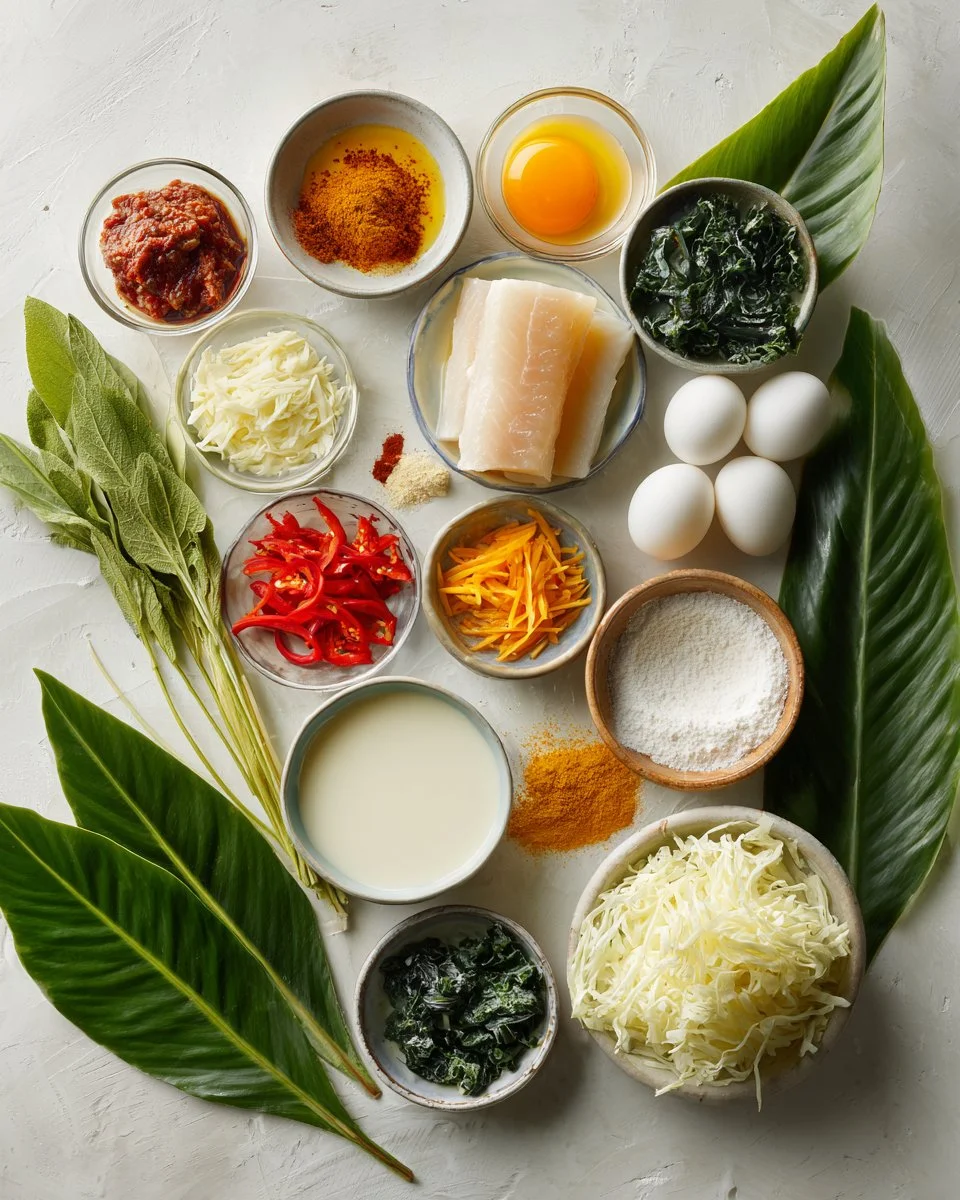
Before we jump into cooking, let’s gather our ingredients for Thai Steamed Red Curry (haw mok)! Quality is key here, so let’s make the most of each component for a delectable result:
- 3 tablespoons red curry paste – Look for a high-quality brand like Mae Ploy; it makes a difference!
- 1 1/4 cups coconut milk – Canned coconut milk offers the richest flavor—try Thai Kitchen or Aroy-D.
- 1 tablespoon palm sugar, finely chopped or grated – You can substitute with brown sugar, although the earthy flavor of palm sugar is distinct.
- 2 teaspoons fish sauce – Opt for a good brand; this adds umami and depth.
- 2 large eggs – Use the freshest eggs you can find.
- 3 makrut lime leaves, finely julienned – Provides an aromatic lift; if unavailable, lime zest is a fine substitute.
- 5.6 oz any kind of fish filet, 1/4 inch sliced – I love using salmon or snapper for their firm texture.
- 1 1/2 cups shredded cabbage and/or kale – These veggies add color and nutrition! Feel free to mix and match.
- 8-12 leaves Thai basil – You can also use Italian basil if Thai basil is hard to find.
- Banana leaves (optional) – Perfect for an authentic presentation but not strictly necessary.
- Jasmine rice, for serving – The ideal sidekick for soaking up that delicious curry!
- 1/4 cup coconut milk (for garnish) – Adds a lovely touch of creaminess at the end.
- 1/2 teaspoon cornstarch – To thicken the coconut milk garnish.
- Sliced red chilies or julienned red bell pepper (for garnish) – A pop of color and heat!
- Cilantro leaves (for garnish) – Brightens up the dish beautifully!
Prep Notes:
- Ensure the coconut milk and eggs are at room temperature before use for better incorporation.
- If using banana leaves, simmer them briefly to make them pliable.
Step-by-Step Instructions
Preheat the steamer on medium heat: This helps in even cooking. Ensure your water is simmering but not boiling vigorously.
Prepare the curry base: In a mixing bowl, add the red curry paste and pour in about 1/4 cup of the coconut milk. Whisk until smooth, getting rid of any lumps. Then, add the rest of the coconut milk, eggs, palm sugar, fish sauce, and julienned makrut lime leaves. Mix well in one direction to maintain a consistent texture.
Add your protein: Gently fold in your sliced fish, ensuring it’s well-coated with the curry mixture. Taste and adjust the seasoning – you may need a little more fish sauce based on your preference.
Steam the greens: Line your ramekins with banana leaves if you’re using them. Take the shredded cabbage or kale and steam them for about 3-5 minutes until slightly tender but still vibrant.
Assemble the dish: Divide your steamed greens and basil into the lined ramekins. Gently scoop the fish mixture on top until filled.
Steam the ramekins: Place them in your preheated steamer and cover. Steam for about 15-20 minutes, or until the custard is just set and a toothpick comes out clean.
Prepare the garnish: In a small saucepan, mix cornstarch with a splash of water, and add the reserved coconut milk. Cook over medium-low heat until it thickens. It should be smooth and pourable.
Serve: Spoon the thickened coconut milk over your steamed curry custard. If you like a little heat, garnish with cilantro and sliced chilies. Serve hot alongside fluffy jasmine rice.
Chef’s Tips:
- Make sure not to overcook the fish—it’s better to slightly undercook than overdo it!
- You can use silicone molds for easier cleanup.
- For an extra kick, consider adding some fresh ginger when whisking the base.
Expert Tips & Tricks
Storage: If you have leftovers (unlikely, but just in case!), cool them completely then store in an airtight container in the fridge for up to 2 days. Reheat gently on the stovetop with a splash of water.
Make-ahead: The red curry mixture can be made a day ahead; just store it in an airtight container. Prepare the veggies fresh on the day you plan to serve.
Troubleshooting: If your custard doesn’t set properly, make sure your steamer is at the correct temperature. Too hot can toughen the fish, while too cool may not cook the custard through.
Serving Suggestions
For a complete meal experience, serve your Thai Steamed Red Curry with a generous scoop of jasmine rice to soak up the rich sauce. You might even consider making a simple cucumber salad with a sprinkle of rice vinegar to balance out the rich flavors. Presentation-wise, you could serve the ramekins on a vibrant platter adorned with lime wedges and fresh herbs for a pop of color.
This dish is perfect not only for weeknight dinners but also for entertaining friends on special occasions. Imagine the smiles as they take their first bite!
Variations & Substitutions
Protein Swaps: Beyond fish, you can use shrimp, scallops, or tofu for a vegetarian version. Just be cautious with cooking times, as each protein requires different steaming durations.
Flavor Infusions: Feel free to be adventurous! Add diced pineapple for a sweet twist, or a splash of lime juice for brightness.
Seasonal Adaptations: In the fall, consider using pumpkin or butternut squash to create a unique variation. During spring, you can incorporate snap peas or asparagus for a vibrant crunch.
Nutrition & Storage Info
- Prep Time: 20 minutes
- Cook Time: 30-40 minutes (including steaming)
- Total Time: About 1 hour
- Yield: Serves 4
- Estimated Calories: Approximately 350 calories per serving
- Storage: Store leftovers in the fridge for up to 2 days or freeze (best used within a month).
FAQ Section
Can I make this recipe without fish?
Yes! You can substitute fish with tofu, shrimp, or even just stick to vegetables for a hearty vegetarian version.What type of fish should I use?
Firm white fish like cod, snapper, or salmon works best. They hold up well during cooking and absorb flavors beautifully.Can I make it ahead of time?
Absolutely. You can prepare the curry base in advance and store it. Just add the veggies and steam when you’re ready to serve.Is there a gluten-free option?
Yes! Ensure your fish sauce is gluten-free, which most brands are, and enjoy!How spicy is this dish?
The spice level largely depends on the brand of red curry paste you use. Feel free to adjust by adding less paste or serving with yogurt on the side for cooling.Can I use fresh herbs instead of makrut lime leaves?
Although they bring a unique flavor, you can substitute with lime zest if you’re in a pinch.What if I don’t have a steamer?
You can use a pot with a lid, placing a heat-proof plate on top of a steaming rack or an inverted bowl. Just ensure enough water is present for steaming.How do I reheat the leftovers?
Gently reheat in a saucepan over low heat, adding a splash of water to loosen the mixture if needed.Can I use coconut cream instead?
You can use coconut cream for a richer texture, but it may alter the cooking time slightly.What can I serve alongside haw mok?
Jasmine rice pairs perfectly, along with a refreshing cucumber salad or even spring rolls for a delightful meal spread.

Conclusion
Thai Steamed Red Curry (haw mok) is not just a recipe; it’s a doorway to culinary adventure, a means to share joy, and a simple way to create comforting memories with loved ones. With its rich flavors and versatile options, it’s hard not to fall head over heels for this dish.
I encourage you to give this recipe a try, tweak it to your liking, and share your experience with me in the comments! I’d love to hear how it turned out for you. And don’t forget to explore more of my related recipes on the blog for delightful inspirations to complement your culinary journey. Happy cooking!

Thai Steamed Red Curry (Haw Mok)
Ingredients
Method
- Preheat the steamer on medium heat, ensuring the water is simmering but not boiling vigorously.
- In a mixing bowl, add red curry paste and pour in about 1/4 cup of the coconut milk. Whisk until smooth, then add the remaining coconut milk, eggs, palm sugar, fish sauce, and julienned makrut lime leaves. Mix well in one direction to maintain texture.
- Gently fold in the sliced fish, ensuring it's well-coated with the curry mixture. Adjust seasoning with more fish sauce if needed.
- If using banana leaves, line your ramekins with them. Steam shredded cabbage or kale for about 3-5 minutes until slightly tender.
- Divide the steamed greens and Thai basil into the lined ramekins. Gently scoop the fish mixture on top until filled.
- Steam the ramekins in the preheated steamer for about 15-20 minutes, or until the custard is just set.
- In a saucepan, mix cornstarch with a splash of water and add reserved coconut milk. Cook until it thickens and is smooth.
- Spoon the thickened coconut milk over the steamed curry custard. Garnish with cilantro and sliced chilies before serving hot with jasmine rice.