Mastering Thai Green Curry Paste: A Flavor Explosion in Your Own Kitchen!
If you’re like me, you have a few go-to meals that instantly transport you back to a cherished moment or a special gathering. For me, that’s Thai Green Curry. The fiery yet fragrant meld of spices always reminds me of vibrant evenings spent with family, sweat trickling from my brow as we gather around the table, bowls of steaming curry in front of us. But what truly transforms a good curry into an unforgettable one? The answer lies in a secret key ingredient: Thai Green Curry Paste.
Bottled versions in stores can fall flat and lack authenticity; however, making this paste from scratch is where the magic happens. You’re not just mixing ingredients; you’re creating memories, building flavor, and connecting with the essence of Thai cuisine. This homemade Thai Green Curry Paste is special because it’s vibrant, aromatic, and customizable to suit your palate. Plus, it’s downright satisfying to know exactly what’s in your paste without any mystery preservatives.
In this post, I promise to share everything you need to know about crafting this exquisite paste. From the freshest ingredients to step-by-step instructions, get ready to transform your kitchen into a Thai culinary haven!
What Are Thai Green Curry Pastes?
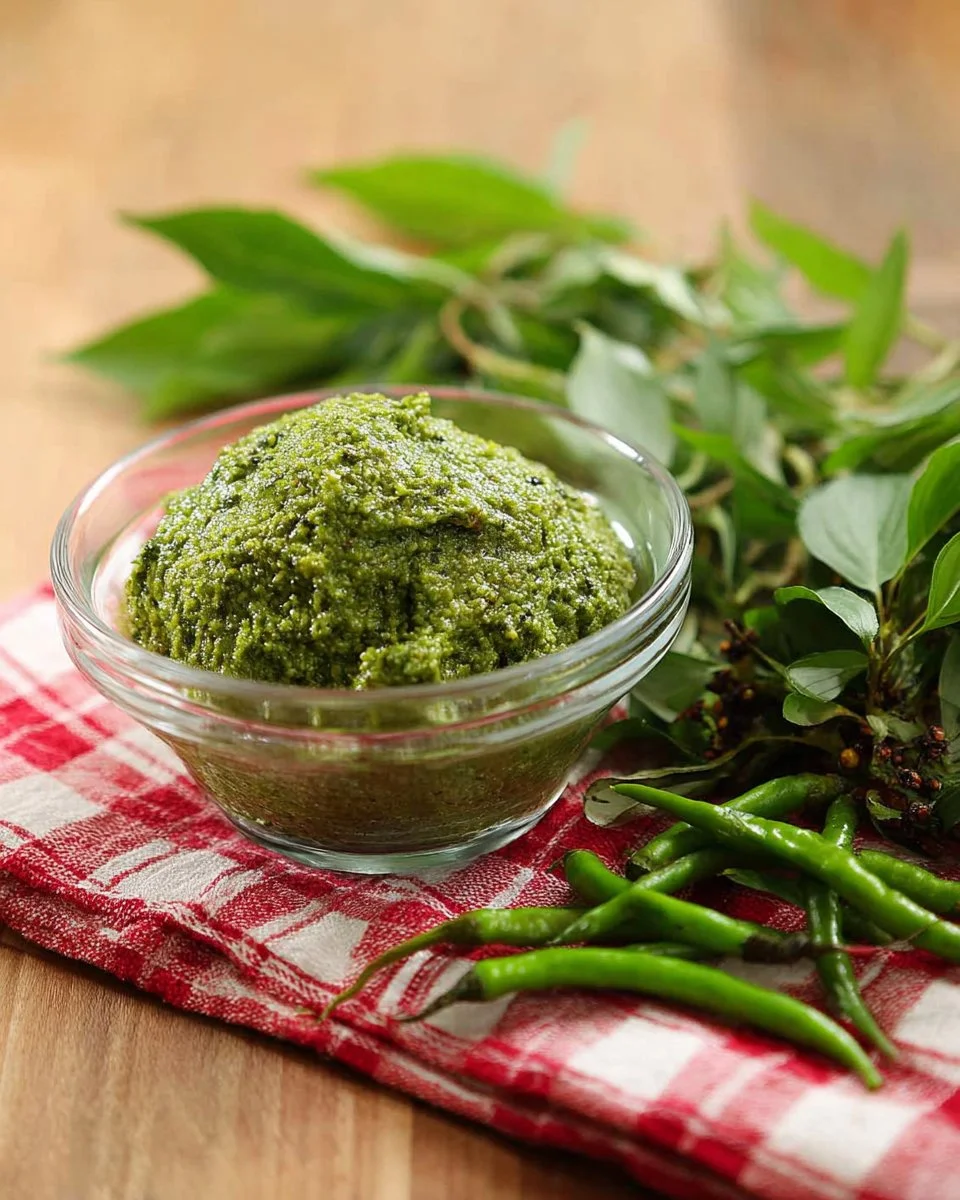
Thai Green Curry Paste is the heart and soul of many beloved Thai dishes. Rooted in centuries of traditional cooking, this paste hails from Thailand where it has been cherished for its bold yet balanced flavor profile.
Typically, the paste combines spicy green chilies with a medley of aromatic herbs and spices, reflecting the freshness of the Thai markets. The distinctive taste comes from the freshness of ingredients like lemongrass, kaffir lime leaves, and galangal, giving it a sharp, piquant flavor layered with earthy undertones.
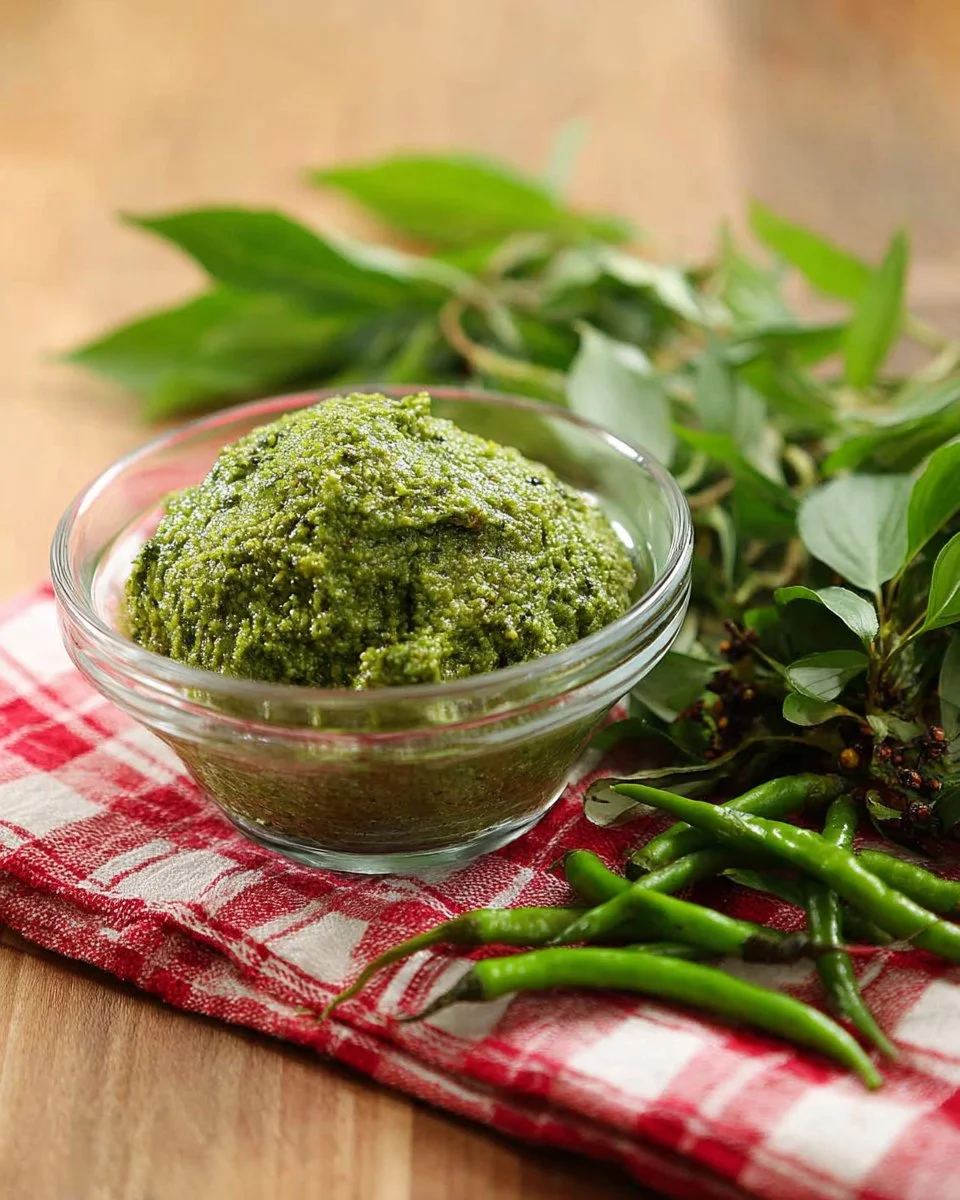
The texture is typically smooth, making it easy to blend with coconut milk or other liquids in your favorite curries. When you create your own Thai Green Curry Paste, you can control the spice level and tweak the flavors to match your culinary whims. Whether you’re cooking up a classic green curry or experimenting with soups and marinades, making this paste from scratch opens up a world of culinary possibilities!
Why You’ll Love This Recipe
Let me count the ways…
Fresher Flavor: There’s nothing quite like the vibrant taste of freshly blended Thai Green Curry Paste. Your dishes will burst with bold flavors that bottled versions simply can’t match.
Cost-Effective: While takeout might seem easier, making your curry paste at home saves you money! The ingredient list is straightforward, and most items are pantry staples.
Customization Galore: I love that I can tweak the heat level depending on who’s at my table. You can experiment with different chilies or even add in your favorite herbs.
Satisfying Process: There’s something gratifying about making something from scratch. Trust me; the aroma wafting through your kitchen as you blend this paste is utterly intoxicating!
Perfect Timing: Making Thai Green Curry Paste takes about 30 minutes from start to finish—definitely manageable for a weeknight meal and so worth the effort!
When you compare this homemade version to store-bought options, the distinction is clear. Not only does homemade taste better, but it’s also customized to your liking and creates fond memories. Dive into this recipe, and you’ll understand why it’s a staple in so many kitchens!
Ingredients Section
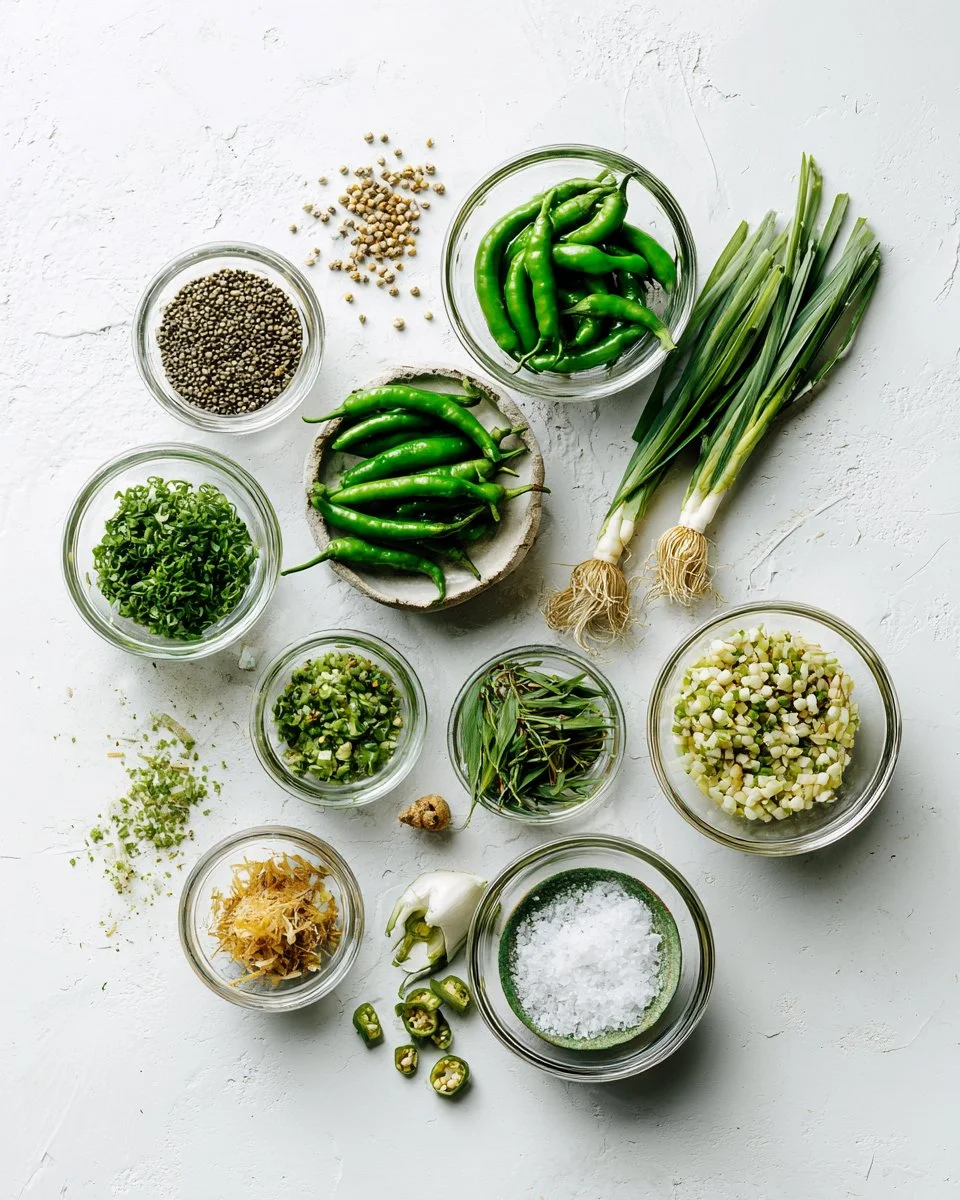
To make Thai Green Curry Paste, you’ll need the following ingredients:
- 2 tsp coriander seeds
- 1 tsp cumin seeds
- 1/2 tsp white peppercorns
- 15 g green Thai chilies or serrano peppers (adjust based on your heat preference)
- 15 g milder green chilies (for balance)
- 1 tsp coarse salt
- 15 Thai basil leaves, julienned (optional for added freshness)
- 3 Tbsp thinly sliced lemongrass (only from the bottom half for sweetness)
- 1 1/2 Tbsp finely chopped galangal
- 2 tsp finely chopped makrut lime zest (or zest of half a lime)
- 2 cilantro roots or 4 cilantro stems, finely chopped
- 3 Tbsp finely chopped shallots
- 2 Tbsp finely chopped garlic
- 1 tsp fermented shrimp paste (optional for umami depth)
Ingredient Quality and Substitutions:
- Freshness Matters: Always use the freshest herbs and spices you can find; they make a crucial difference. Visit an Asian market for the best selection.
- Substitutions: If you can’t find galangal, fresh ginger is a decent substitute. For shrimp paste, you can skip it or use a vegan alternative that suits your dietary needs.
Prep Notes:
- Bring your butter, if using, to room temperature for better mixing.
- Consider investing in a mortar and pestle for the traditional method; otherwise, a food processor does the job!
Step-By-Step Instructions
Prepare the Chilies: If your spice tolerance isn’t high, carefully remove seeds and pith from some or all chilies before chopping finely.
Grind the Dry Spices: If using a mortar and pestle, start by grinding the coriander seeds, cumin seeds, and white peppercorns into a fine powder. If you have an electric grinder, this works, too.
Pound the Chilies: Add the chilies and coarse salt to the mortar and pound until you have a fine paste.
Combine with Herbs: Add the julienned Thai basil leaves and pound them in for added flavor.
Next, Mix It Up: Incorporate the sliced lemongrass, galangal, lime zest, cilantro roots, shallots, garlic, and the mixed dry spices from step 2. Pound everything together until well-combined into a smooth paste.
Chef’s Tips:
- Timing: Take your time while pounding; this is where flavor develops!
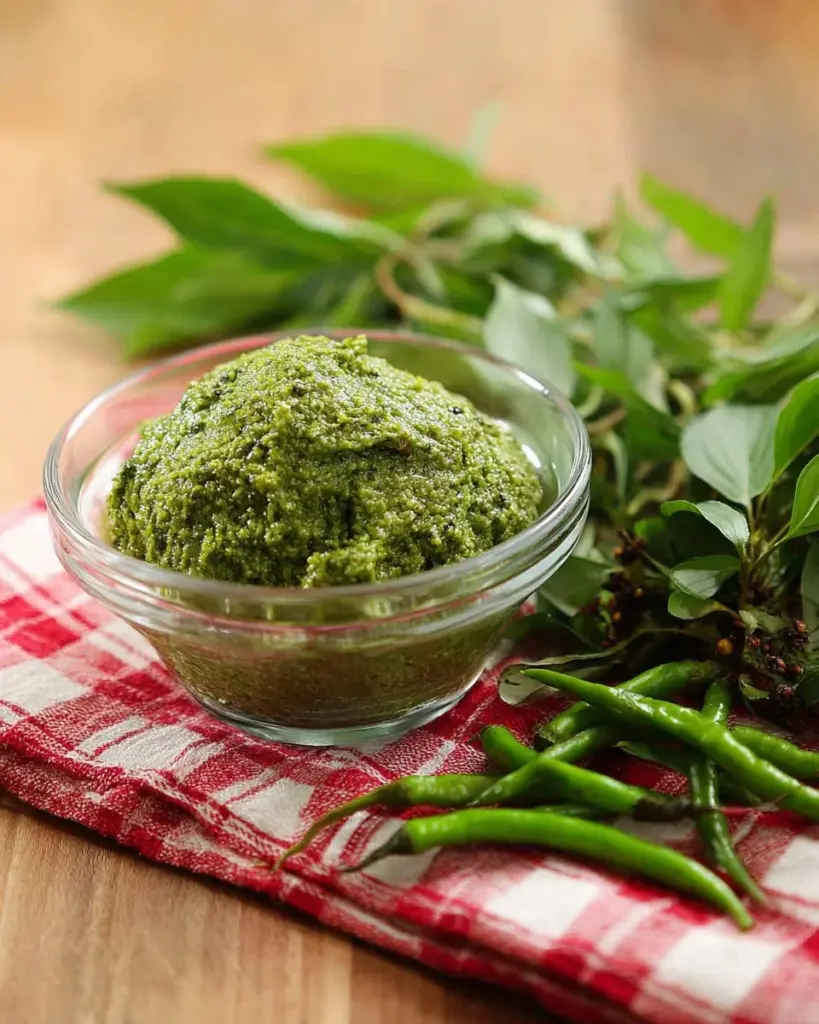
- Visual Cues: You’ll know it’s ready when the paste is fragrant and has a vibrant green color!
Common Mistakes:
- Not using enough salt can lead to a bland paste; it helps all those beautiful flavors shine.
- Over-pounding can turn your paste watery; aim for a balance!
Expert Tips & Tricks
Storage: Transfer leftover paste to an airtight container. It will last for about a week in the fridge or can be frozen in ice cube trays for long-term storage!
Make-Ahead: Embrace meal prep! You can make a big batch of this paste ahead of time and use it throughout the week.
Troubleshooting: If your paste is too spicy, you can balance it out with more lemongrass and galangal; this will also help smoothen the edges.
Quality Counts: Purchase high-quality spices to ensure an aromatic and flavorful curry paste.
Experiment: Don’t hesitate to play with flavors – perhaps adding a touch of lemongrass oil or lime juice to brighten things up!
Use the Right Tools: A good quality mortar and pestle or a powerful blender will yield the best textures, so choose accordingly.
Serving Suggestions
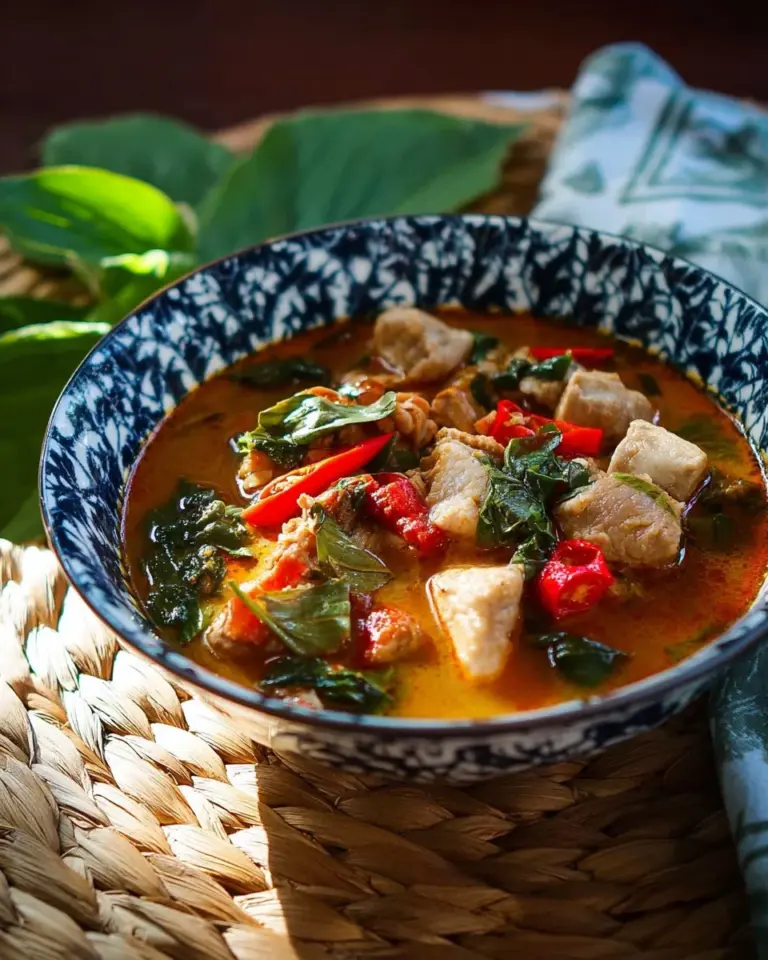
Now that you’ve mastered making your Thai Green Curry Paste, the fun really begins! You can toss this fragrant paste into a pot of coconut milk for a heartwarming curry, or mix it with grilled chicken or tofu for smoky, spicy skewers. Serve alongside jasmine rice or rice noodles to soak up all the goodness!
Presentation is key—serve it in a lovely bowl, garnish with fresh cilantro or Thai basil, and perhaps lime wedges for that extra zesty pop. It’s perfect for cozy family dinners or impressing guests at your next gathering!
Variations & Substitutions
Feel free to tailor your Thai Green Curry Paste to match seasonal ingredients or dietary restrictions:
Flavors: Experiment with different herbs like mint or parsley for a unique twist or add lemongrass essential oil for an extra layer of flavor.
Spice Levels: Adjust chili types to taste—milder yellower chilies can soften the heat, while more serrano or bird’s eye chilies can crank it up.
Vegan Adaptation: Simply omit the shrimp paste, or use miso as a umami substitute!
Nutrition & Storage Info
Prep time: 30 minutes
Cook time: N/A
Total time: 30 minutes
Yield: Makes enough paste for about 4-6 servings of curry
Estimated calories per serving: Approximately 50 calories (depends on usage)
Storage Instructions:
- Room Temp: Not recommended.
- Fridge: Up to 1 week; keep airtight.
- Freezer: Up to 3 months; perfect for quick dinners!
FAQ Section
Can I use dried herbs instead of fresh?
- Fresh herbs provide far superior flavor in this recipe; however, in a pinch, you can use dried but reduce the quantity as they’re more potent.
Is Thai Green Curry Paste always spicy?
- It can be tailored to taste! Choosing mild chilies or controlling the amount can significantly reduce the heat level.
How do I make a milder version of this paste?
- Focus on using milder green chilies and balance them out with a higher proportion of lemongrass and galangal.
Can I make this paste ahead of time?
- Absolutely! This paste can be made a week in advance and stored in the fridge or even frozen for later use.
What kind of recipes can I use this paste in?
- It’s versatile! Use it for green curry, soups, marinades, and even salad dressings.
Is there a vegetarian alternative to shrimp paste?
- Yes! You can use miso paste or skip it altogether.
How can I increase the freshness of my paste?
- Ensure all ingredients are fresh and consider adding a little extra lime zest or juice during blending for a zesty kick.
Can I use other types of chilies?
- Definitely! Depending on your local availability, feel free to substitute with similar chilies.
What’s the best way to adapt this for a large gathering?
- Doubling the batch is easy! Just ensure you have a large enough mixing bowl or processor.
Is this paste gluten-free?
- Yes! As long as you ensure the shrimp paste (if used) is gluten-free, this paste is entirely safe for that diet.
Conclusion
This homemade Thai Green Curry Paste is truly special, reflecting the essence of Thai cuisine with every fragrant bite. I encourage you to try making it; the simplicity and encouragement to experiment will spark a newfound culinary joy in your kitchen.
I’d love to hear your thoughts on this recipe or any tweaks you tried! Don’t forget, if you enjoyed this post, check out my other Thai-inspired recipes on the blog. Happy cooking!
Thai Green Curry Paste
Ingredients
Method
- If your spice tolerance isn't high, carefully remove seeds and pith from some or all chilies before chopping finely.
- If using a mortar and pestle, start by grinding the coriander seeds, cumin seeds, and white peppercorns into a fine powder. An electric grinder can also be used.
- Add the chilies and coarse salt to the mortar and pound until you have a fine paste.
- Add the julienned Thai basil leaves and pound them for added flavor.
- Incorporate the sliced lemongrass, galangal, lime zest, cilantro roots, shallots, garlic, and the mixed dry spices. Pound everything together until well-combined into a smooth paste.