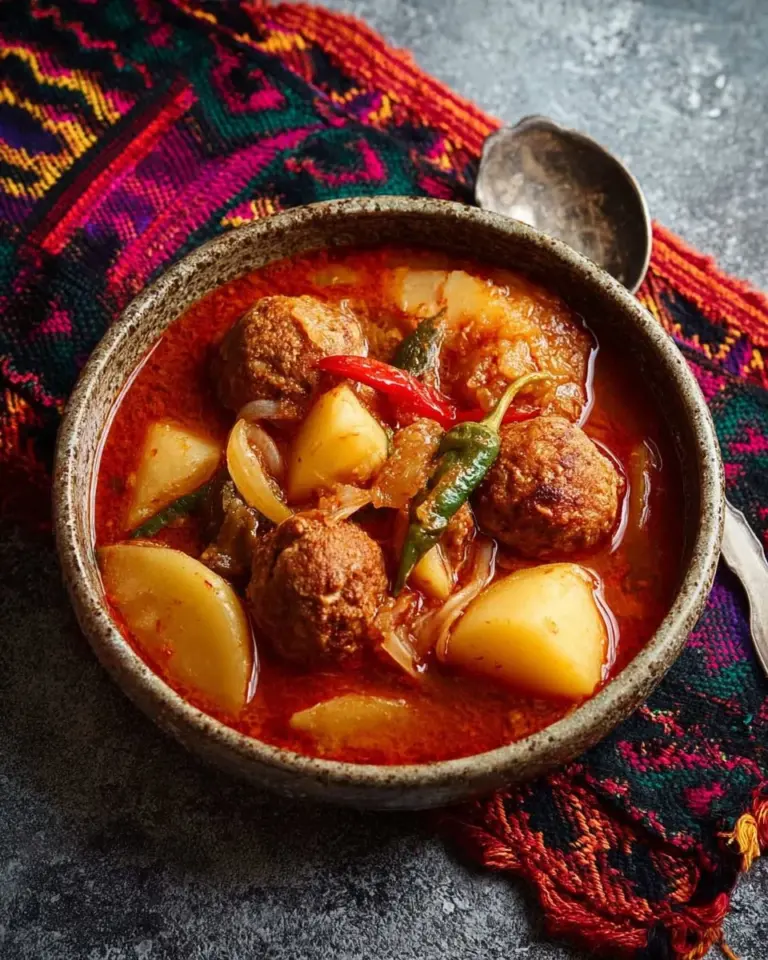
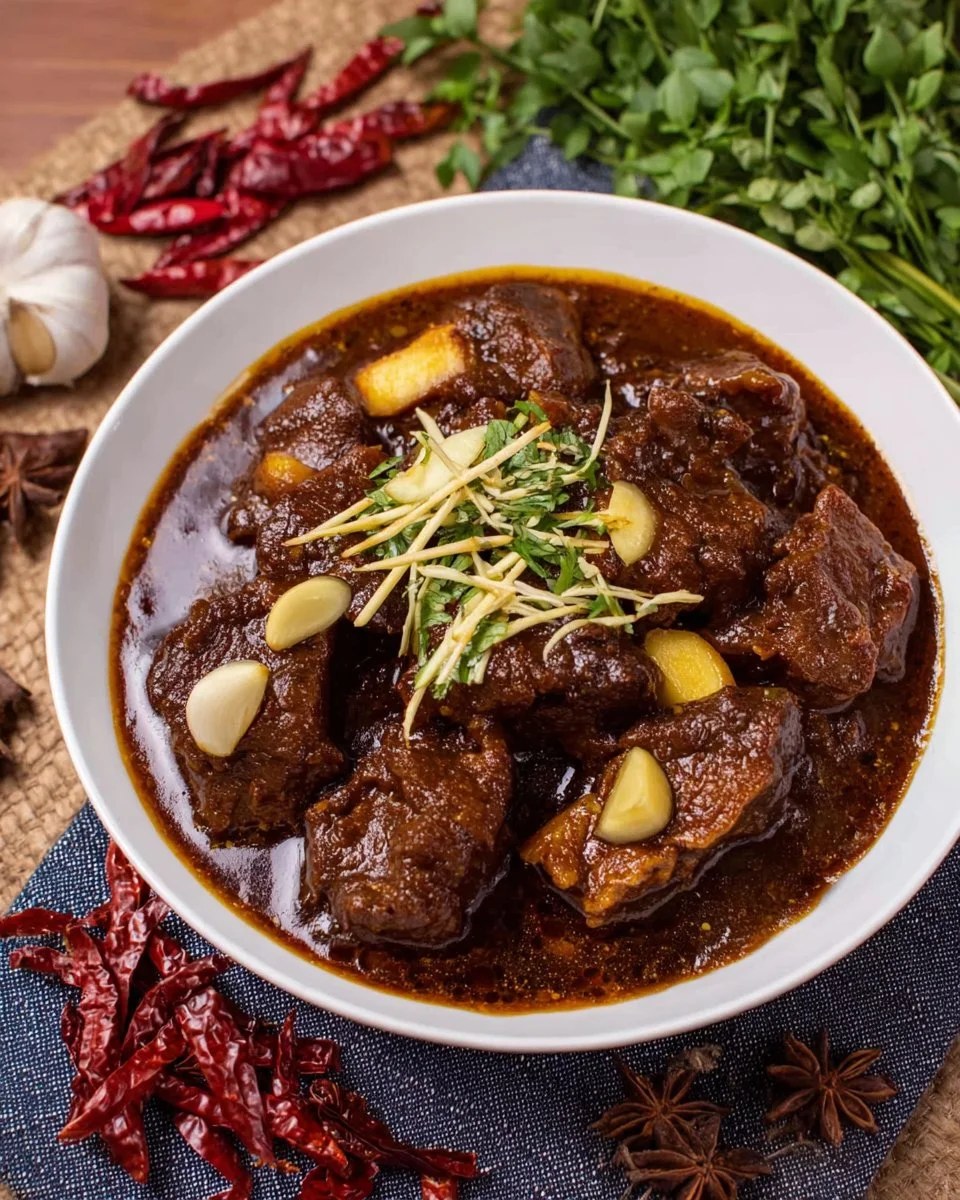
Savory Northern Thai Braised Pork Curry: A Flavorful Journey to Comfort
Picture this: it’s a rainy Saturday afternoon, and the aroma of spices fills the air, transporting me back to my grandmother’s kitchen in Northern Thailand. As a child, I would sit on a stool, wide-eyed and eager, while she stirred her signature Northern Thai Braised Pork Curry in a big pot. That dish wasn’t just a meal; it was a warm hug, a comforting embrace that would chase away the stormy weather outside. The harmony of tender pork, rich chili paste, and a medley of herbs and spices made each bite a delightful experience.
This recipe is special, not only because it echoes my cherished family memories but also because of its depth of flavor and the layers of tradition woven into each ingredient. Unlike many versions you find in restaurants or stores, my take on this Northern Thai Braised Pork Curry emphasizes fresh ingredients, a time-honored curry paste, and that crucial touch of love—a secret you won’t find in a pre-packaged meal.
In this post, I’ll share my family’s treasured recipe that captures the essence of Northern Thai cuisine, guide you step-by-step through its preparation, and show you how to create a dish that will become a regular in your home. Get ready to elevate your culinary skills and your taste buds!
What Are Northern Thai Braised Pork Curry?
Northern Thai Braised Pork Curry, known locally as "Hung Lay," hails from the northern regions of Thailand, particularly Chiang Mai. Traditionally, it’s made with tender cuts of pork, slow-cooked in a luscious and aromatic curry sauce featuring a rich blend of spices, herbs, and seasonings. The flavor profile is unique—spicy yet savory, slightly tangy from the tamarind, and enriched with the deep notes of fragrant herbs.
The texture is where the magic happens—perfectly succulent chunks of pork that melt in your mouth, surrounded by a velvety sauce that’s deeply satisfying. What sets this dish apart is the balance of heat and richness, drawing on ingredients that may not typically be associated with everyday cooking, creating an extraordinary flavor that leaves your senses tingling.
This curry is ideal for family gatherings, cozy dinners, or any occasion where you want to impress your loved ones with a taste of Northern Thailand.
Why You’ll Love This Recipe
Authenticity: This isn’t just another curry recipe; it’s a true homage to Northern Thai cuisine. By making the curry paste from scratch, you’ll embrace the full-bodied flavors that pre-made pastes can’t replicate.
Cost-Effective: Cooking at home is not only healthier but also a fraction of the cost of dining out. With affordable cuts of pork and pantry staples, you can create a dish that rivals any restaurant meal.
Customization Options: Don’t like pork? Substitute with chicken or tofu for a delightful twist. You can adjust the spice levels to suit your palate too—whether you want it milder or fiery hot!
Simplicity in Preparation: Contrary to what you might think, making Northern Thai Braised Pork Curry is easier than you think. With just a few steps and 2-3 hours (most of which is hands-off simmering), you can create a dish bursting with flavor.
Meal Prep Friendly: This curry gets even better over time! Make a batch ahead of time, store it in the fridge, and watch the flavors develop as you reheat it days later. Perfect for busy week nights or meal prep!
Ingredients
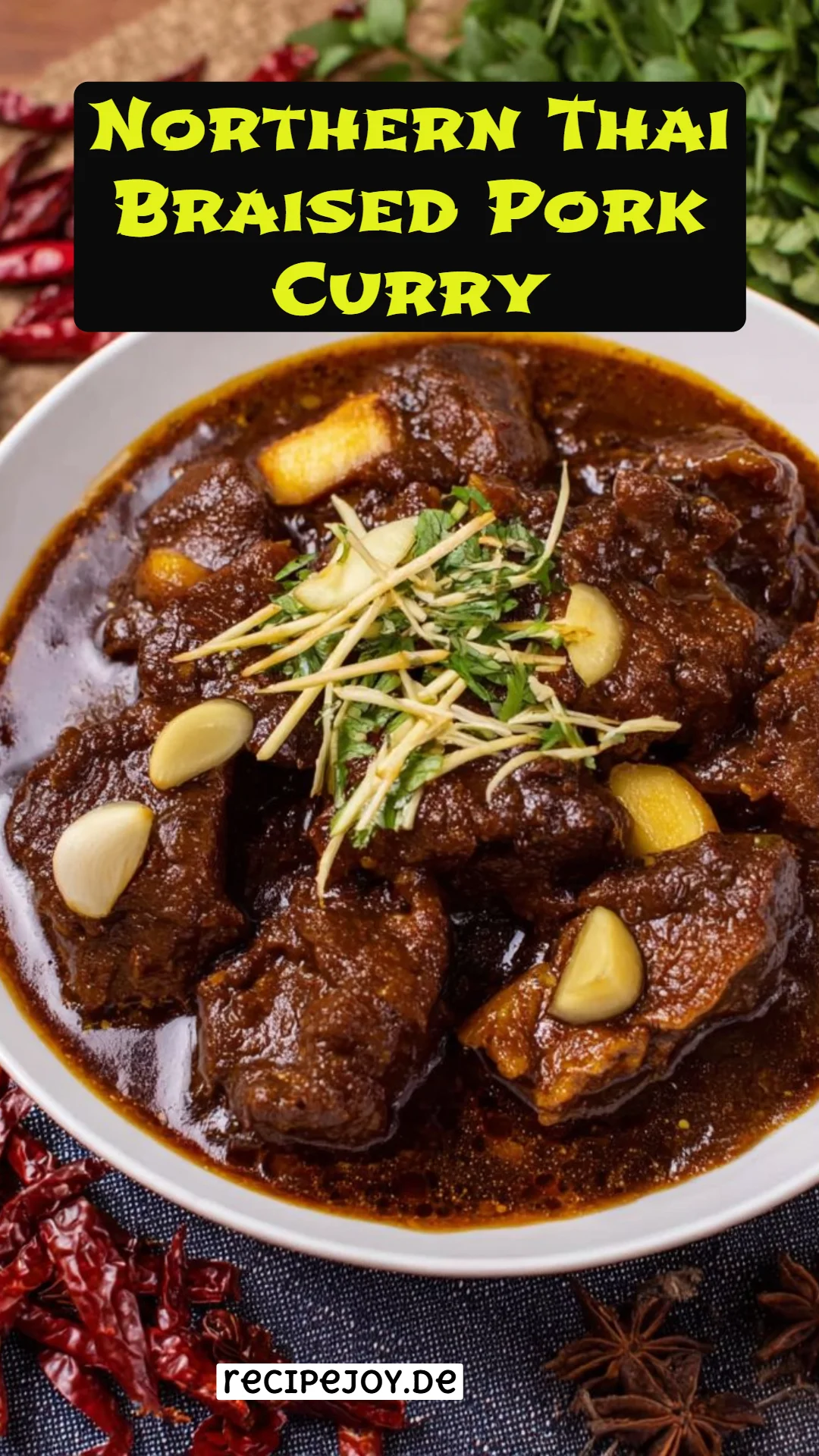
To prepare this delicious Northern Thai Braised Pork Curry, gather the following high-quality ingredients:
- 8-10 grams dried mild red chilies (adjust to taste)
- 5 cloves garlic, chopped
- 1/3 cup chopped shallots
- 1 stalk lemongrass, finely chopped (the fresher, the better!)
- 5 slices galangal, chopped
- 2-inch piece turmeric, chopped (fresh is best, but you can substitute with turmeric powder in a pinch)
- 2 tablespoons Hung Lay curry powder (recipe below)
- 1 teaspoon fermented shrimp paste (adds umami depth)
- 1 lb pork belly, cut into big chunks
- 1 lb pork spare rib tips, chopped
- 1/4 cup tamarind paste (for that lovely tang)
- 2 tablespoons dark brown sugar (to balance the flavors)
- 1-2 teaspoons black soy sauce (for color and richness)
- 1.5 – 2 tablespoons fish sauce (a must for authenticity)
- 1 head garlic (whole cloves, to roast)
- 1/2 cup pearl onions or Thai small shallots
- 1/4-1/3 cup julienned ginger
- 1 8-inch piece cinnamon stick
- 2 teaspoons black peppercorns
- 2 teaspoons turmeric powder
- 2 tablespoons cumin seeds
- 2 tablespoons coriander seeds
- 1 star anise
- 3 whole cloves
- 1/2 teaspoon ground nutmeg
- 2 teaspoons fennel seeds
- 5 cardamom pods
Notes:
- The key to this recipe’s success lies in the quality of ingredients. Use fresh herbs and high-quality meats for the best flavor.
- If you’re unable to find specific ingredients, don’t hesitate to substitute or skip them, but keep in mind it may alter the final flavor slightly.
Step-by-Step Instructions
Prepare the Hung Lay Curry Powder:
- In a dry pan over medium heat, toast the whole spices (cumin, coriander, black peppercorns, fennel, star anise, cardamom, and cloves) until aromatic, about 2-3 minutes.
- Let them cool and grind into a fine powder either using a spice grinder or mortar and pestle. Store in an airtight container.
Make the Curry Paste:
- Grind the dried chilies into a powder using a mortar and pestle.
- Blend the lemongrass, galangal, turmeric, shallots, garlic, and shrimp paste into a smooth paste. Mix in the ground chilies until well combined.
Sear the Meat:
- In a large pot or wok, preheat on medium without oil. Sear the pork belly on all sides until browned (about 5-7 minutes).
- Toss in the pork ribs and mix well. Add the curry paste and fry briefly until fragrant (around 2 minutes).
Simmer the Curry:
- Add enough water to just cover the pork, then season with fish sauce, black soy sauce, tamarind, and dark brown sugar. Bring to a gentle simmer.
- Cover and let it simmer for 1 hour 45 minutes to 2 hours, or until the pork is fork-tender. Stir occasionally and check the liquid level.
Add Vegetables:
- In the last 20 minutes of cooking, check the liquid consistency; uncover if it’s too soupy.
- Stir in the ginger, whole garlic cloves, and pearl onions—let them simmer for an additional 15-20 minutes until everything is tender.
Final Touches:
- Before serving, taste and adjust seasoning as needed. For an extra touch, garnish with julienned ginger. Serve hot with rice for a comforting meal.
Expert Tips & Tricks
Quality Matters: Using fresh herbs and quality cuts of pork makes a significant difference in the taste. Don’t shy away from local butcher shops for the best selections!
Make-ahead Option: You can cook the curry a day in advance; flavors enhance with time. Just store it in the fridge and reheat before serving.
Storage: Store leftovers in an airtight container. It can be kept in the fridge for up to 5 days or frozen up to 3 months.
Troubleshooting: If the curry tastes too sour, balance it with more sugar. If it’s too salty, a splash of coconut milk can help mellow it out.
Customize the Heat: If you prefer a milder dish, reduce the amount of dried chilies or use milder varieties. For the adventurous, add fresh bird’s eye chilies for an extra kick!
Serving Suggestions: Pair with steamed jasmine rice or even roti; the options are endless! You can also top with fresh herbs like cilantro for a beautiful finish.
Serving Suggestions
This Northern Thai Braised Pork Curry shines as the star of any dinner table! Pair it with fluffy jasmine rice, which absorbs the rich flavors perfectly. You can also serve it alongside a crisp cucumber salad for a refreshing contrast. For a festive touch, garnish with fresh coriander and serve in a deep bowl—it’s sure to impress at family dinners or special occasions!
Variations & Substitutions
Looking to mix things up? Here are some alternative flavors and substitutions you can try:
- Protein Swap: Instead of pork, try chicken thighs, beef, or even a hearty vegetable mix for a vegetarian option.
- Spice Mix: Experiment with other spices like Thai basil or fresh chilies for that added freshness.
- Seasonal Touches: During the summer, you can add fresh peas or snow peas for a pop of color and sweetness.
Nutrition & Storage Info
- Prep Time: 30 minutes
- Cook Time: 2 hours
- Total Time: Approximately 2.5 hours
- Yield: 6 servings
- Estimated Calories per Serving: 400-450 (depending on the cut of pork used)
Storage Instructions:
- Store any leftovers in the fridge for up to 5 days. For longer storage, freeze in an airtight container for up to 3 months.
FAQ Section
Can I use other meats for this recipe?
- Definitely! Chicken or even beef stew meat works well in this dish.
What if I can’t find fresh turmeric?
- You can substitute with 1 teaspoon of ground turmeric.
Can I make this without fish sauce?
- Yes, you can replace it with soy sauce for a vegetarian option, although it will change the flavor slightly.
Is this dish very spicy?
- The spice level can be adjusted! More dried chilies increase the heat, so just start with a small amount and taste as you go.
How do I store leftovers?
- Let the curry cool, then transfer it to an airtight container and store it in the fridge for up to 5 days.
What should I serve with this dish?
- It’s wonderful with jasmine rice, but you can also pair it with crusty bread or flatbreads.
Can I make it vegan?
- Absolutely! Use tofu or jackfruit instead of meat and replace fish sauce with soy sauce.
What is galangal?
- Galangal is a spice similar to ginger, with a sharper, more citrusy flavor. If unavailable, you can use fresh ginger, though the taste will vary slightly.
Does it need to be simmered for the entire time?
- Yes, the long simmer is what makes the pork tender and allows the flavors to meld beautifully.
What’s the best way to reheat this dish?
- Reheat gently on the stove over low heat, adding a splash of water if it thickens too much.
Conclusion
This Northern Thai Braised Pork Curry is more than just a recipe; it’s an invitation to explore the rich culinary heritage of Northern Thailand, wrapped up in comforting flavors that will surely become a family favorite in your home too. I wholeheartedly encourage you to give this dish a try and share in the delightful experience of cooking and enjoying it with your loved ones!
If you’ve made this recipe or have any questions, drop a comment below—I’d love to hear your thoughts. And don’t forget to check out other related recipes on the blog for more delicious adventures in cooking!
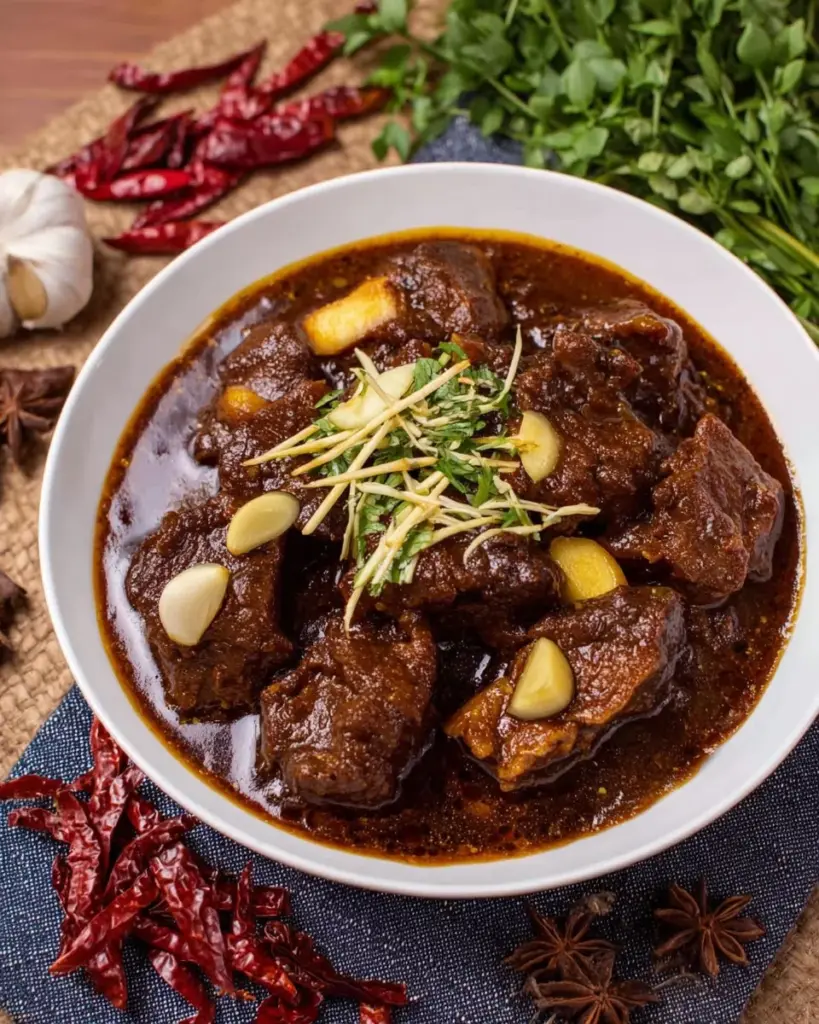
Northern Thai Braised Pork Curry
Ingredients
Method
- Toast the whole spices (cumin, coriander, black peppercorns, fennel, star anise, cardamom, and cloves) in a dry pan over medium heat until aromatic, about 2-3 minutes.
- Let the toasted spices cool and grind into a fine powder using a spice grinder or mortar and pestle. Store in an airtight container.
- Grind the dried chilies into a powder with a mortar and pestle.
- Blend lemongrass, galangal, turmeric, shallots, garlic, and shrimp paste into a smooth paste. Mix in the ground chilies until well combined.
- In a large pot or wok, preheat on medium without oil. Sear the pork belly on all sides until browned (about 5-7 minutes).
- Toss in the pork ribs and mix well. Add the curry paste and fry briefly until fragrant (around 2 minutes).
- Add enough water to just cover the pork, then season with fish sauce, black soy sauce, tamarind, and dark brown sugar. Bring to a gentle simmer.
- Cover and let it simmer for 1 hour 45 minutes to 2 hours or until the pork is fork-tender. Stir occasionally and check the liquid level.
- In the last 20 minutes of cooking, check the liquid consistency; uncover if it’s too soupy.
- Stir in the ginger, whole garlic cloves, and pearl onions—let simmer for an additional 15-20 minutes until everything is tender.
- Before serving, taste and adjust seasoning as needed. Garnish with julienned ginger and serve hot with rice.