Whip Up Comfort: Your Ultimate Guide to Authentic Pad Thai Recipe
I’ll never forget the first time I tasted homemade Pad Thai. It was one of those cozy evenings, gathered with my family around the dinner table, sharing stories and laughter. The tantalizing aroma wafted through the air, inviting us to dive into a flavor explosion. After putting down the takeout containers, I was determined to replicate the magic of that Authentic Pad Thai Recipe in my own kitchen.
What makes this recipe so special? It’s a harmonious blend of flavors: the sweet, tangy, and savory elements come together like a symphony in your mouth. Unlike many restaurant versions drowning in sauce, this recipe achieves a perfect balance, letting each ingredient shine. The creamy texture of the tofu contrasts beautifully with the crunch of bean sprouts and roasted peanuts, making every bite a new experience.
You’ll find that this approach to Pad Thai offers a deeper emotional connection, drawing on family memories and the joy of sharing good food. By the end of this guide, you’ll learn not just how to make Authentic Pad Thai, but how to infuse your own stories into every dish. Let’s start this culinary adventure together!
What are Authentic Pad Thai?
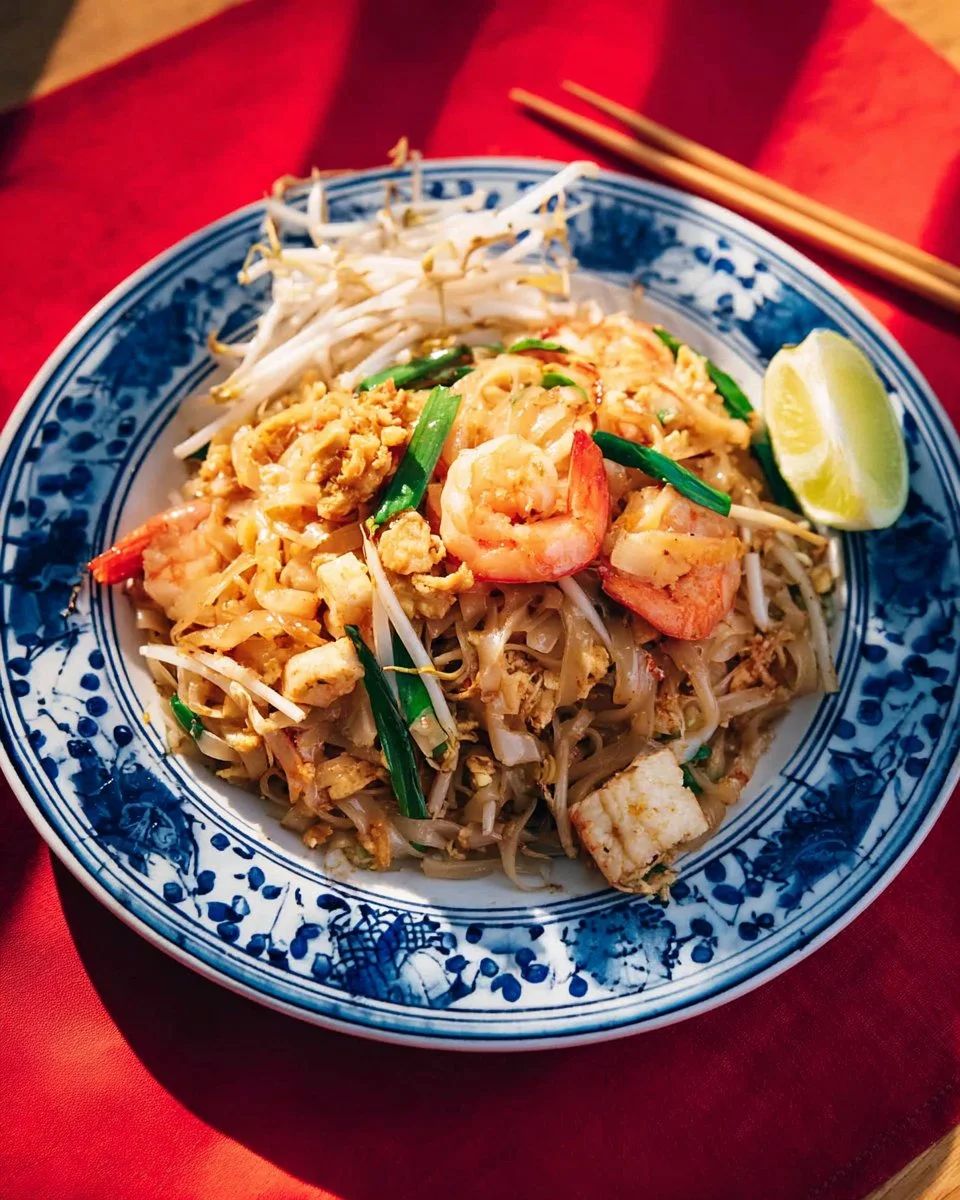
Authentic Pad Thai is a quintessential Thai street food dish that has gained immense popularity worldwide. The origins of Pad Thai trace back to the early 20th century when the dish was promoted as a national dish of Thailand. With a medley of flavors—sweet, salty, and spicy—it features stir-fried rice noodles as its base, combined with ingredients such as shrimp or tofu, egg, and a sprinkling of fresh herbs.
The texture is an enticing mix of chewy and crunchy, with the rice noodles providing a satisfying base, while the fresh bean sprouts and chives add that welcome crunch. One unique element is the tamarind sauce, delivering a delightful balance of sweetness from palm sugar and umami from fish sauce.
Pad Thai can make a stunning centerpiece for a casual weeknight dinner, a celebratory feast, or even a comforting meal on a rainy day.
Why You’ll Love This Recipe
Here’s why this Authentic Pad Thai Recipe deserves a spot in your kitchen rotation:
Homemade Goodness: No need to settle for soggy takeout. Making it at home means you control the flavors and the freshness of the ingredients. You’ll savor that just-right balance that can sometimes get lost in translation at restaurants.
Cost-Effective: Say goodbye to overpriced dishes! This recipe is budget-friendly and uses simple ingredients you can find at your local grocery store or Asian market.
Customizable to Your Liking: You can make it vegetarian, or load it with shrimp, chicken, or tofu, depending on your tastes. Swap out the protein or add vibrant veggies like bell peppers or carrots for a fun twist.
Easy to Make: With a little organization, this dish can be prepared in under 30 minutes! Perfect for busy weeknights or when unexpected guests drop by.
Perfect for Meal Prep: I love making a large batch ahead of time. It stores beautifully in the fridge, and each time you reheat it, it retains its unique flavors. You’ll have your comfort food ready whenever you need a culinary hug!
So gather your ingredients, and let’s dive into creating a delicious batch of homemade Pad Thai!
Ingredients
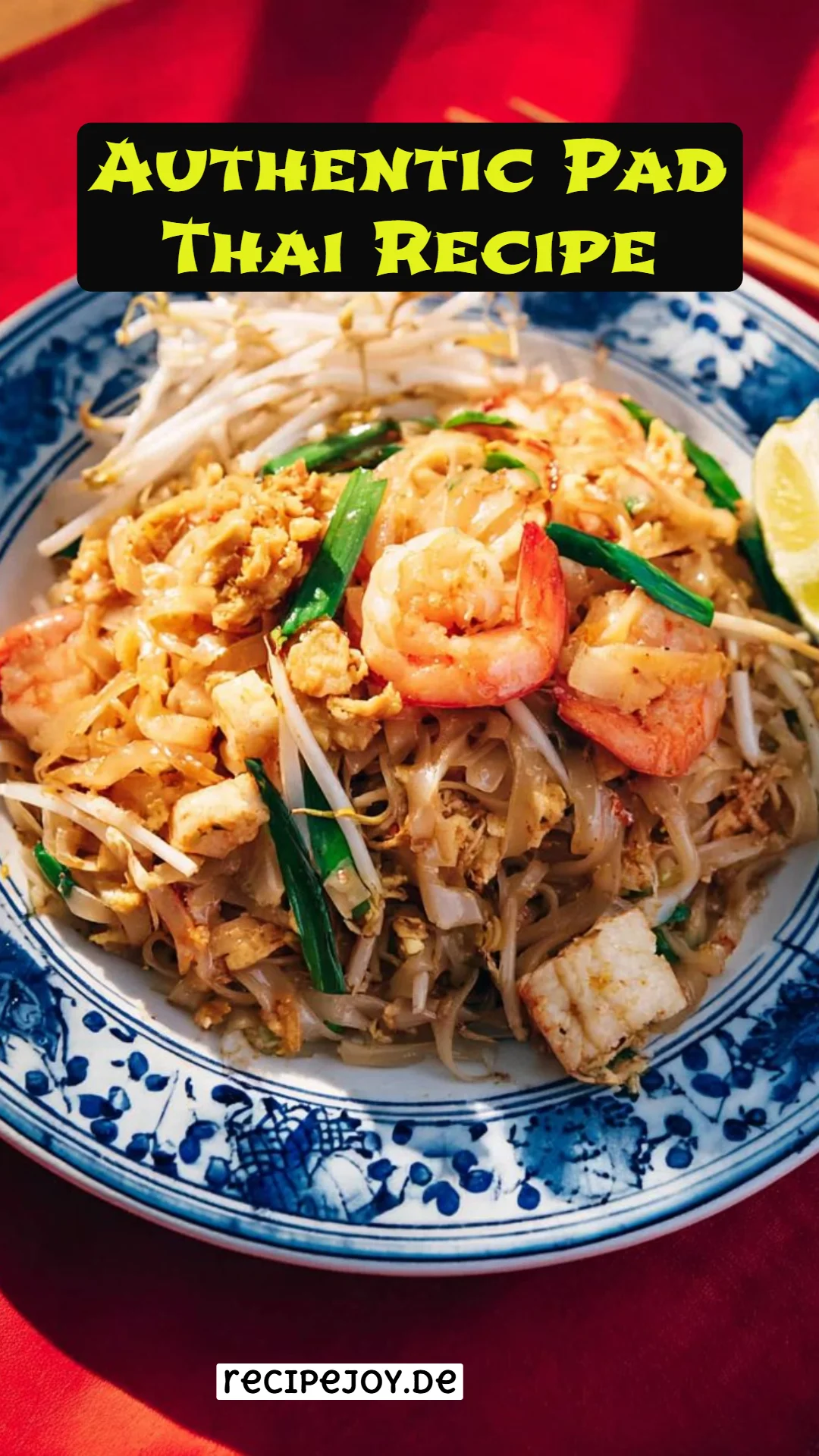
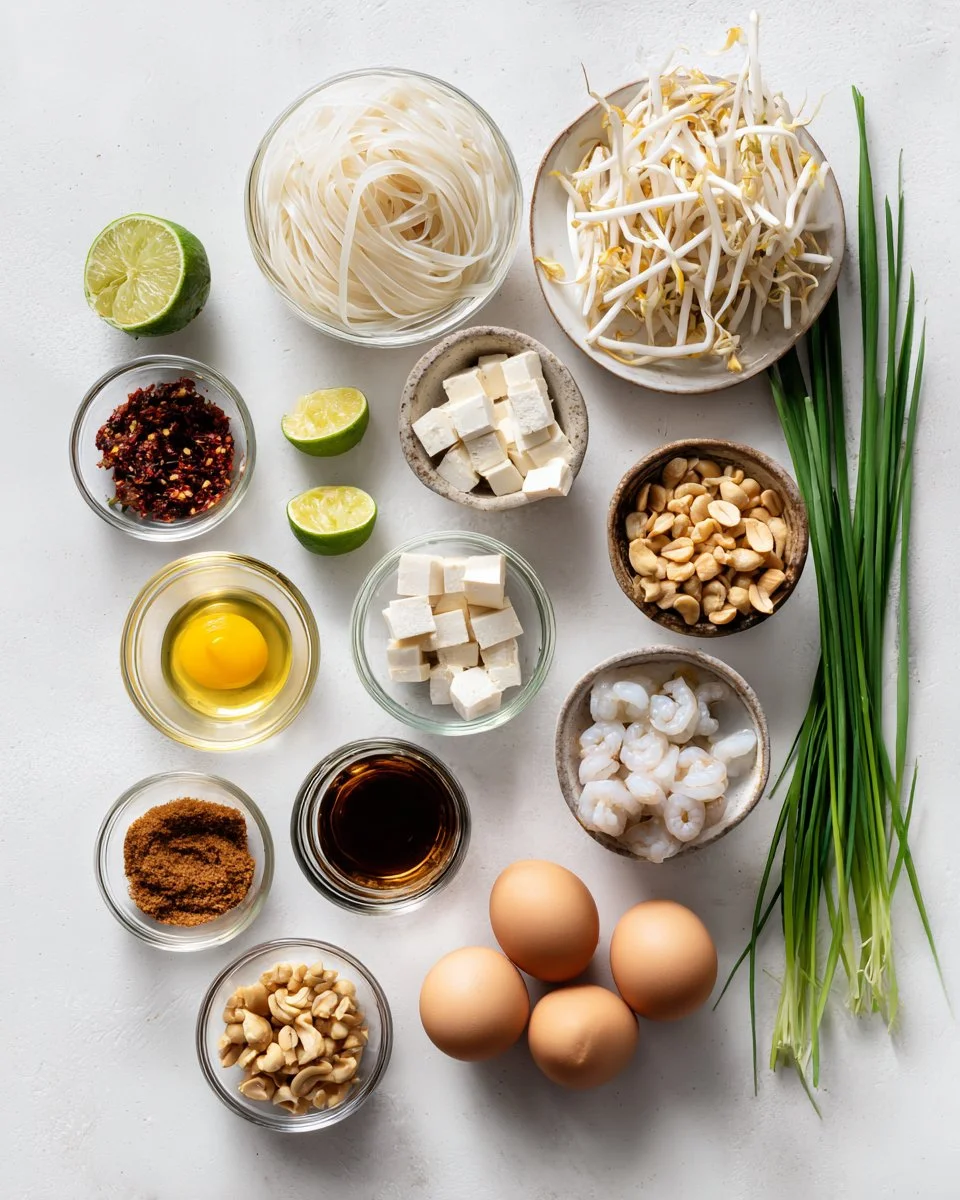
Here’s what you’ll need for this Authentic Pad Thai Recipe. I always emphasize the quality of your ingredients—the fresher, the better!
For the Pad Thai Sauce:
- 35 g palm sugar, chopped (for the perfect sweetness)
- 3 Tbsp water
- 3-4 Tbsp Thai cooking tamarind (check for a good brand with natural ingredients)
- 2 Tbsp fish sauce (look for high-quality brands like Red Boat)
For the Pad Thai:
- 4 oz dry rice noodles (medium width for a delightful chew)
- 2 Tbsp dried shrimp, roughly chopped (for umami)
- 3 cloves garlic, chopped (you can never have enough garlic)
- 1/4 cup shallots, roughly chopped (for a lovely sweetness)
- 3 oz pressed tofu, cut into small pieces (use firm tofu for best texture)
- 3 Tbsp preserved daikon radish, finely chopped (adds a unique zing)
- Dried chili flakes, to taste (spice lovers, rejoice!)
- 3 Tbsp vegetable oil (for frying)
- 10 medium shrimp, peeled and deveined (or your protein of choice)
- 2 eggs (easily customizable—add as many as you please)
- 2 1/2 cups bean sprouts, loosely packed (for freshness)
- 7-10 stalks garlic chives, cut into 2-inch pieces (sub green onions if preferred)
- 1/4 cup roasted peanuts, roughly chopped (for that satisfying crunch)
- 1 lime (for that zingy finish)
Garnishes:
- Chili flakes
- Roasted peanuts
- Bean sprouts
- Garlic chives
Notes on Ingredients:
- Go for quality tamarind paste. Some brands contain added sugars or preservatives.
- You can use regular sugar if you can’t find palm sugar, but keep the flavor in mind.
- For the shrimp, feel free to substitute with chicken, or stick to tofu for a vegan option.
Prep Tips:
Ensure all your ingredients are prepped and ready to go before you start cooking. This dish comes together quickly—so you don’t want to scramble around searching for the garlic while your noodles burn!
Step-by-Step Instructions
To make Pad Thai sauce:
- In a small pot over medium heat, add 35 g of palm sugar. Stir until it begins to melt and darken—this takes about 2-3 minutes.
- Carefully add 3 Tbsp of water, followed by 2 Tbsp fish sauce and 3-4 Tbsp of tamarind. Stir and bring it to a gentle simmer. Once thickened, turn off the heat.
To prepare Pad Thai:
- Start by soaking 4 oz of dry rice noodles in warm water for about 15-20 minutes until tender, then drain and cut them in half.
- In a bowl, mix together the chopped tofu, dried shrimp, garlic, shallots, preserved radish, and dried chili flakes until well incorporated.
- Heat 3 Tbsp of vegetable oil in a hot wok over medium-high heat. Once shimmering, add the 10 medium shrimp, cooking until they’re pink (around 2-3 minutes). Remove and set aside.
- Add the tofu mixture to the wok. Sauté until the garlic turns golden brown, about another 2-3 minutes.
- Toss in the drained noodles and pour in your prepared sauce. Stir-fry until the noodles completely absorb the sauce, about 2-4 minutes.
- Push the noodles to one side of the wok. Crack in 2 eggs, scrambling them until just set, then fold into the noodles.
- Add the cooked shrimp, 2 1/2 cups bean sprouts, and garlic chives. Toss to combine and heat through. Reserve half the chopped peanuts for serving.
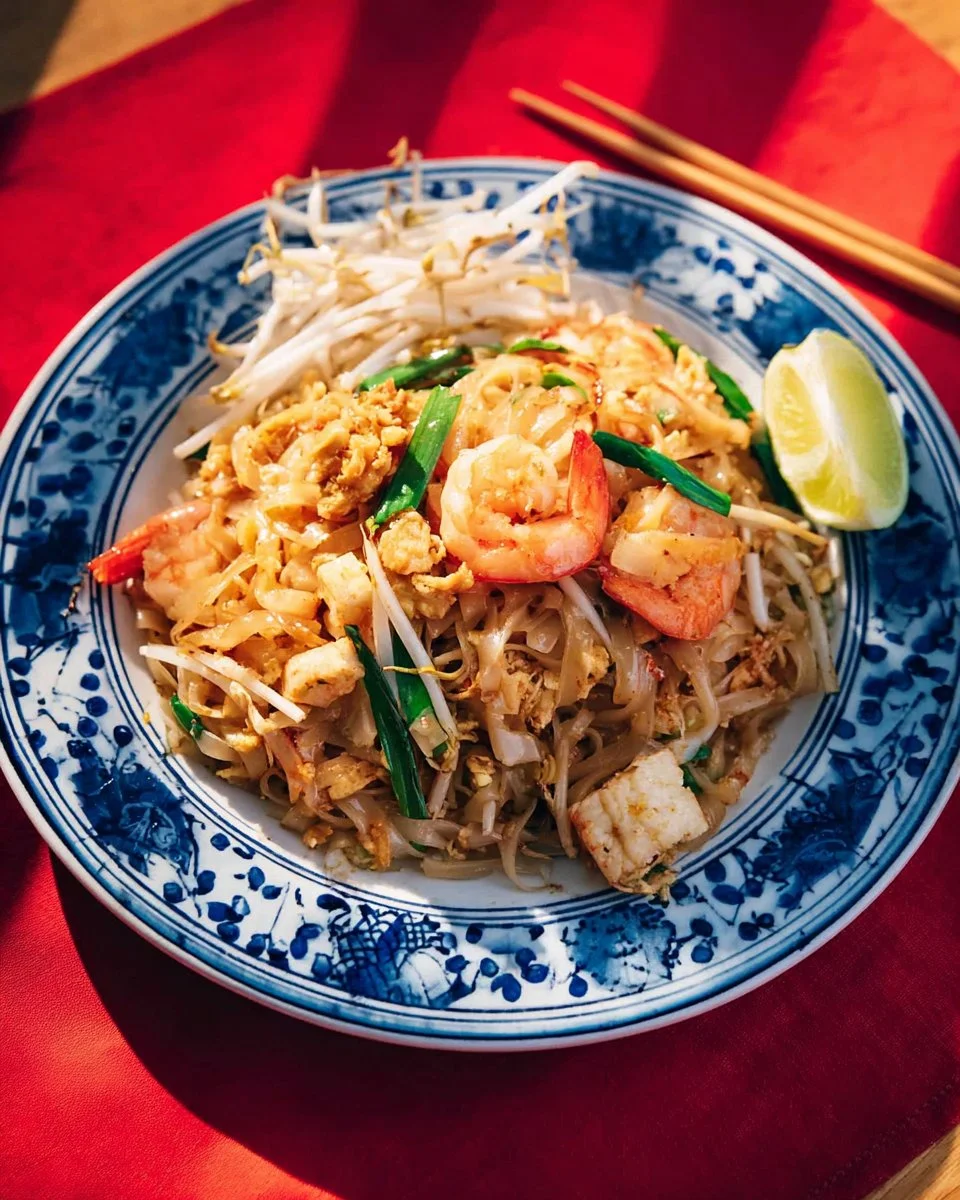
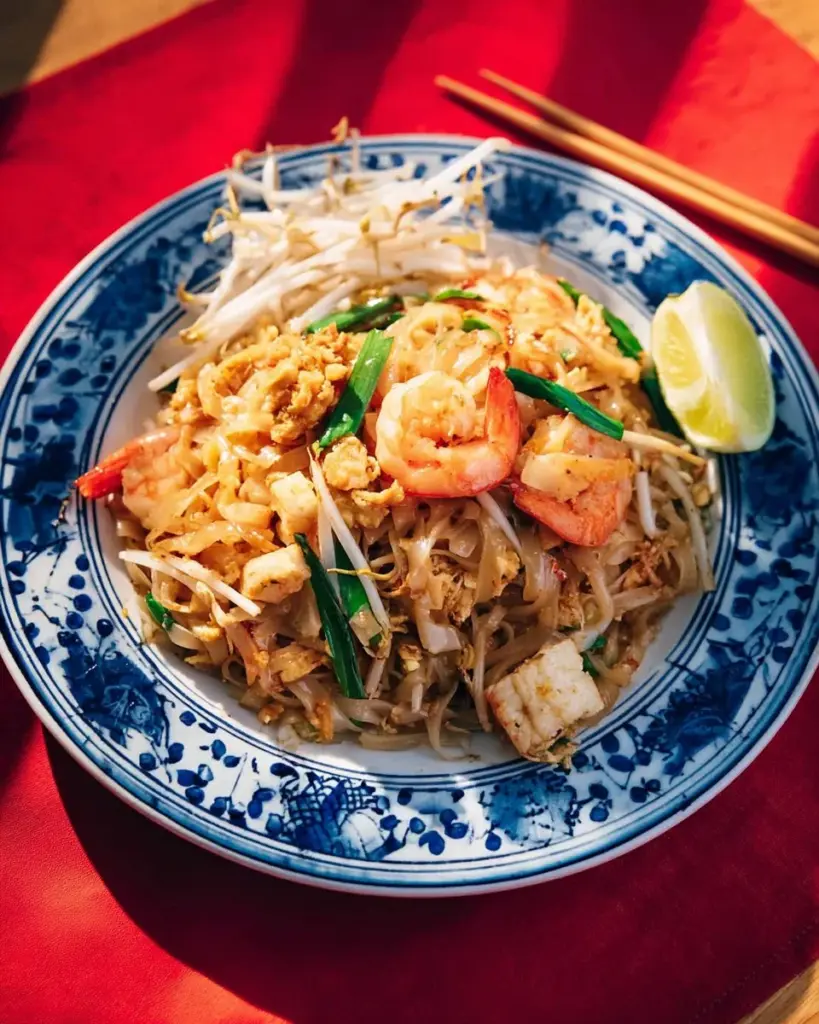
- Serve hot, garnished with lime wedges, remaining peanuts, and extra chili flakes.
Chef’s Tip: If your noodles seem sticky, splash a bit of water in the wok to help them loosen up!
Common Mistake: Don’t overcook your noodles! They should be tender, but with a slight bite.
Finally, dish out your Pad Thai and watch the smiles light up around your table!
Expert Tips & Tricks
- Perfect Timing: Have all your ingredients prepped before you start cooking; this ensures a seamless process.
- Storing Leftovers: Store any leftovers in an airtight container in the fridge for up to 3 days. Reheat in a skillet on medium heat, adding a splash of water if it seems dry.
- Make-Ahead: You can prepare the sauce a day in advance. Just store it in the fridge and warm it up when ready to cook.
- Troubleshooting: If your noodles stick together, try rinsing them in cold water before tossing them into the wok. It helps separate them beautifully!
- Plan for Flavor: Let your Pad Thai sit for a few minutes before serving. It enhances the flavors as everything melds together.
Serving Suggestions
Pad Thai is a complete meal in itself, but if you’re looking to make it extra special, serve it with a side of Thai spring rolls or a light cucumber salad. For a presentation touch, plate it with lime wedges and a sprinkle of extra chopped peanuts and chili flakes on top—your guests will be impressed!
Occasion Recommendations:
This dish is perfect for family gatherings, casual weeknight dinners, or even a festive potluck! Whatever the occasion, Pad Thai brings people together with its heartwarming flavors.
Variations & Substitutions
Here are a few ways to customize your Authentic Pad Thai Recipe:
- Vegetarian/Vegan: Simply skip the shrimp and fish sauce and replace them with soy sauce or coconut aminos. Add more veggies for substance!
- Seasonal favorites: In fall, toss in some roasted pumpkin; in spring, add snow peas or bell peppers for vibrant color and crunch.
- Flavors: Experiment with additional toppings like fresh cilantro or Thai basil for a fragrant touch!
Nutrition & Storage Info
- Prep Time: 20 minutes
- Cook Time: 15 minutes
- Total Time: 35 minutes
- Yield: 4 servings
- Estimated Calories: 450 calories per serving
Storage Instructions:
- Fridge: Store in an airtight container for up to 3 days.
- Freezer: Best enjoyed fresh, but can be frozen for up to 1 month. Thaw overnight in the fridge before reheating.
- Room Temperature: Not recommended; enjoy this dish piping hot for the best experience.
FAQ Section
Can I use another type of noodle?
Yes! While traditional Pad Thai uses flat rice noodles, you can use egg noodles or even bean sprouts for a low-carb alternative.What if I can’t find tamarind paste?
You can substitute it with a mix of lime juice and brown sugar, but keep in mind that the flavor will differ slightly.Can I make Pad Thai spicy?
Absolutely! Adjust the quantity of dried chili flakes or add fresh chopped chilies to suit your heat level.Is it okay to omit the shrimp?
Yes! Feel free to make it vegetarian or vegan by skipping the shrimp or using a protein substitute.How do I know when the noodles are done soaking?
They should be pliable and tender but not mushy. Rinse in cold water to stop the cooking process.What other proteins can I use?
Chicken, beef, or tofu are great alternatives. The key is to ensure your protein is cooked through.Can I prepare this dish ahead of time?
You can pre-cook the sauce and prep the ingredients. Stir-frying is best done just before serving for optimal freshness.Can I use frozen shrimp?
Yes! Just ensure they are thoroughly thawed before using to avoid excess moisture.What’s the best way to reheat leftovers?
Use a skillet on medium heat and add a splash of water to prevent sticking. Stir until heated through.Can I add more vegetables?
Definitely! Feel free to toss in your favorite vegetables like bell peppers, carrots, or snow peas.
Conclusion
In a world where flavors can often feel disconnected, this Authentic Pad Thai Recipe brings together comforting tastes and nostalgic memories. It’s not just food; it’s a piece of culture, a meal filled with stories and love. I encourage you to try this recipe and make it your own. Don’t forget to share your experience in the comments below; I’d love to hear about your kitchen adventures!
While you’re here, check out some of my other recipes—like my Lemon Chicken Stir Fry or Thai Green Curry—and get inspired to cook more delicious Asian dishes at home!
Authentic Pad Thai
Ingredients
Method
- In a small pot over medium heat, add 35 g of palm sugar. Stir until it begins to melt and darken—this takes about 2-3 minutes.
- Carefully add 3 Tbsp of water, followed by 2 Tbsp fish sauce and 3-4 Tbsp of tamarind. Stir and bring it to a gentle simmer. Once thickened, turn off the heat.
- Start by soaking 4 oz of dry rice noodles in warm water for about 15-20 minutes until tender, then drain and cut them in half.
- In a bowl, mix together the chopped tofu, dried shrimp, garlic, shallots, preserved radish, and dried chili flakes until well incorporated.
- Heat 3 Tbsp of vegetable oil in a hot wok over medium-high heat. Once shimmering, add the 10 medium shrimp, cooking until they’re pink (around 2-3 minutes). Remove and set aside.
- Add the tofu mixture to the wok. Sauté until the garlic turns golden brown, about another 2-3 minutes.
- Toss in the drained noodles and pour in your prepared sauce. Stir-fry until the noodles completely absorb the sauce, about 2-4 minutes.
- Push the noodles to one side of the wok. Crack in 2 eggs, scrambling them until just set, then fold into the noodles.
- Add the cooked shrimp, 2 1/2 cups bean sprouts, and garlic chives. Toss to combine and heat through. Reserve half the chopped peanuts for serving.
- Serve hot, garnished with lime wedges, remaining peanuts, and extra chili flakes.